
9 Things Worth Packing for an Esports Spectator Trip (Carry-On Only)
You flew eleven hours, queued in the cold, and got a decent seat for the group stage. Then the crowd hits a decibel level nobody warned you about, your phone drops to 9% during the first map, and the earbuds you brought have thirty minutes left in the case. Meanwhile the arena has four working outlets and a hundred people circling them like gulls. This is the standard shape of an esports spectator trip, and almost all of it is preventable with a bit of planning.
This roundup is built around two things that go wrong together: your ears and your batteries. Everything here fits carry-on rules, survives an international flight, and earns its space in a bag you have to carry all day.
- Loop Experience 2 — the earplugs that make the crowd bearable
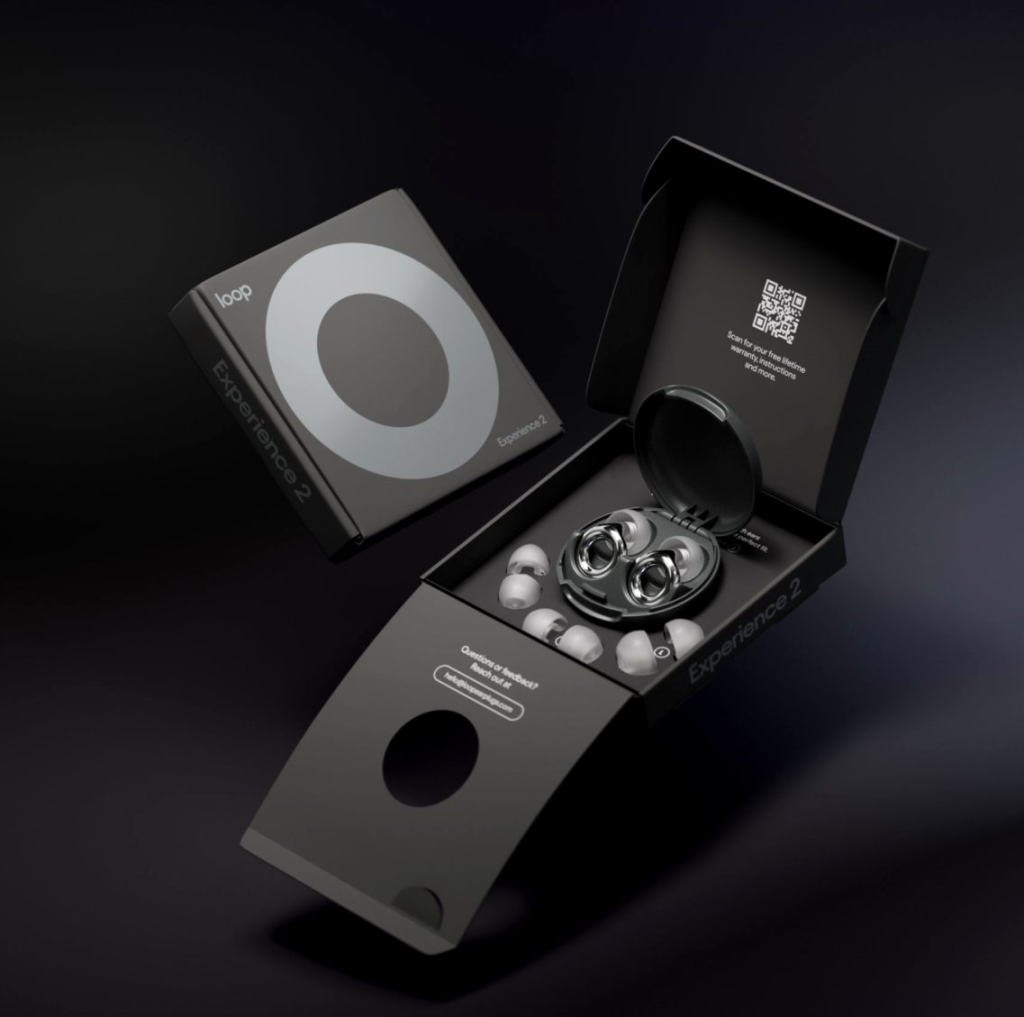
An arena during a grand final is genuinely loud. Not uncomfortable-loud for five minutes, but wearing-you-down loud across eight hours, which is a big part of why you feel hollowed out by the evening. Loop Experience 2 knocks the level down by a meaningful margin without turning everything into mud, so you still hear the caster, the crowd surge, and your friend shouting next to you. They just do it at a volume your head can handle.
They also happen to be the best plane earplugs I have used, and the Mute tip that ships with the second-generation set drops things further for sleeping. Tiny carry case, clips to a lanyard, costs less than a round of arena beers. If you buy one thing on this list, buy these.
$34 – $45
- Truthear Hexa — wired IEMs that cannot run out of battery
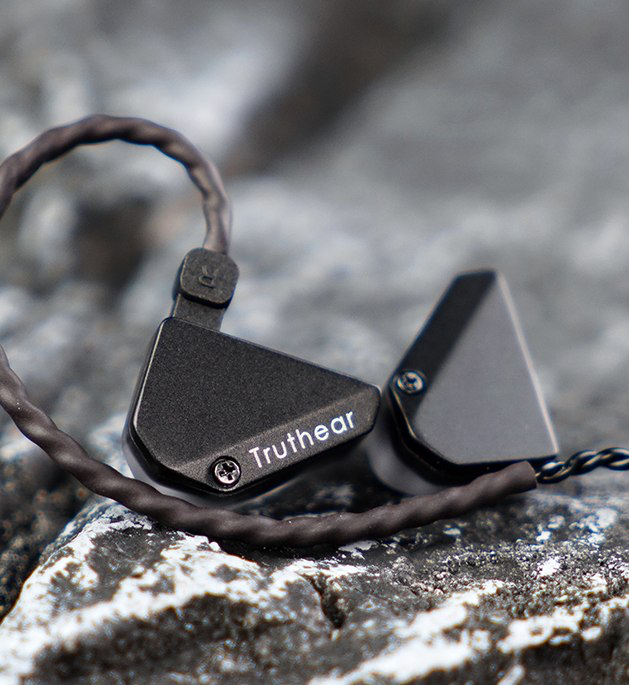
There is something deeply calming about an earphone with no charge state. The Hexa is a four-driver wired IEM that sounds far more composed than its price suggests, with a clean, slightly polite tuning that handles casters, podcasts and long flights without fatiguing you. Plug them in and they work for the next fourteen hours. That is the entire pitch, and on a trip built around battery anxiety it is a strong one.
The detachable 0.78mm cable means a snapped wire in a hotel room is a $10 problem rather than a dead pair. Bring a USB-C dongle if your phone has no jack, and pack the Hexa as your fallback for the exact moment your wireless gear dies mid-tournament. It always happens on the day that matters.
$70 – $85
- Sony WH-1000XM5 — the splurge that saves the flight
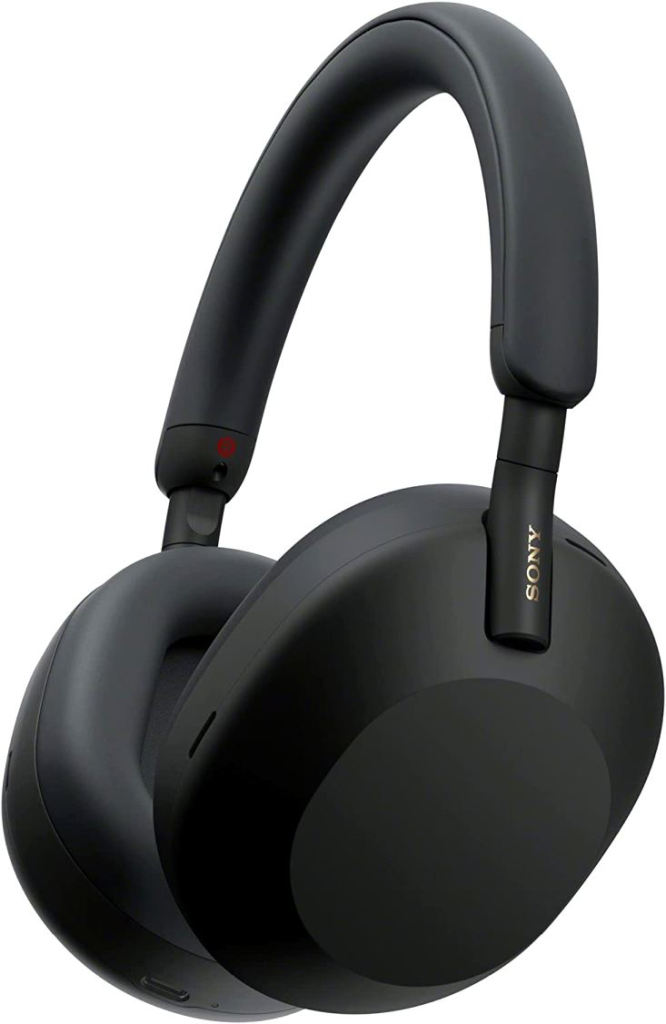
This is the one expensive item here, and it is worth it if you are doing long-haul. The XM5 remains the reference for noise cancellation on aircraft: engine drone essentially vanishes, cabin announcements become an afterthought, and the roughly thirty-hour battery figure means you can fly out, wander a foreign city, and still have charge left for the return leg without touching a plug.
Two practical notes for this specific trip. The XM5 folds flat but not small, so it lives around your neck or clipped to a bag rather than buried in it. And the multipoint pairing genuinely matters when you are switching between a phone showing the bracket and a laptop replaying a match in the hotel. Quick-charge gives you a few hours from a three-minute top-up at the gate.
$299 – $399
- Soundcore Space One — the pair you can afford to lose
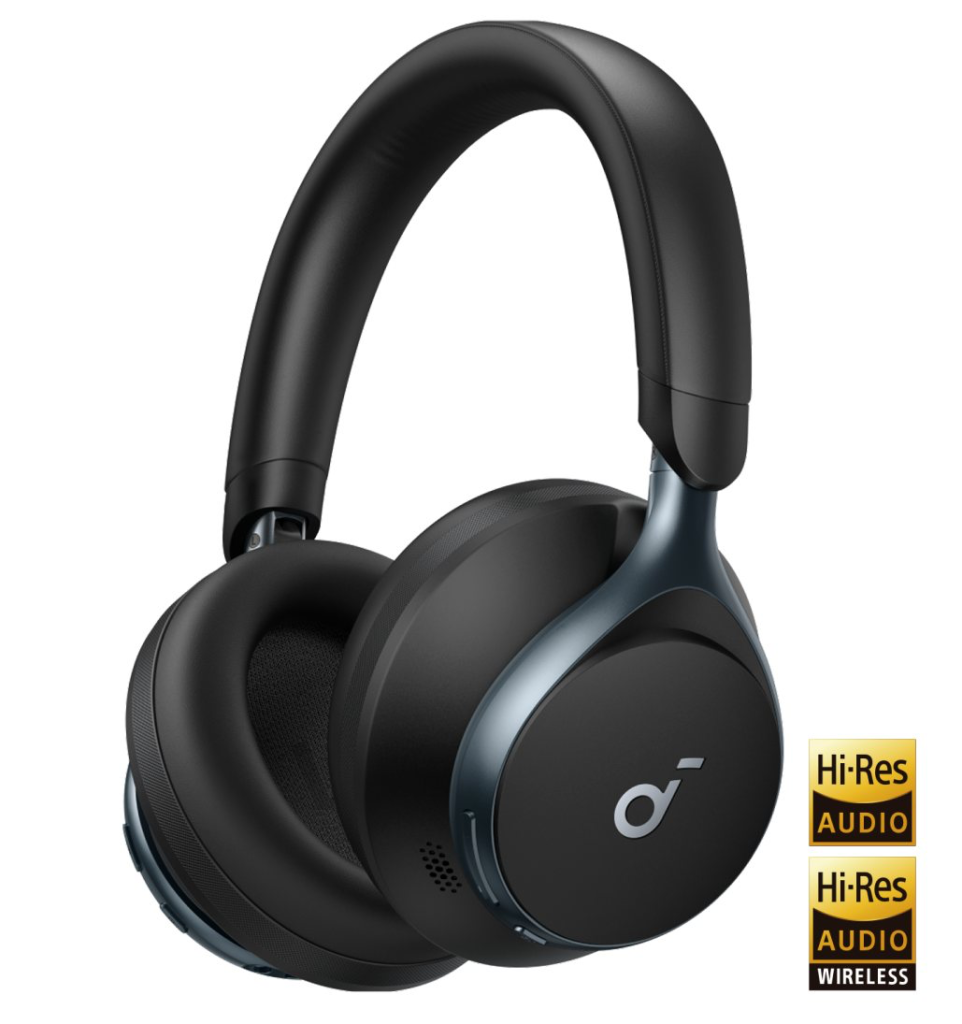
Arenas, taxis, hostel bunks and airport floors are where headphones go to die. The Space One is the sensible answer: solid active noise cancellation, comfortable clamp, and a battery that stretches well past forty hours with ANC on. It is not XM5 quality and does not pretend to be, but at roughly a quarter of the price you will genuinely stop worrying about it.
I would pick these over the Sony if your trip involves a lot of unpredictable ground time, shared accommodation, or a bag that gets thrown around. They fold properly flat, take USB-C, and the app lets you flatten out the slightly enthusiastic bass. For a casual fan who mostly wants quiet on the plane and podcasts in the queue, this is the honest recommendation.
$79 – $99
- Anker Prime 20,000mAh power bank — the 2pm insurance policy
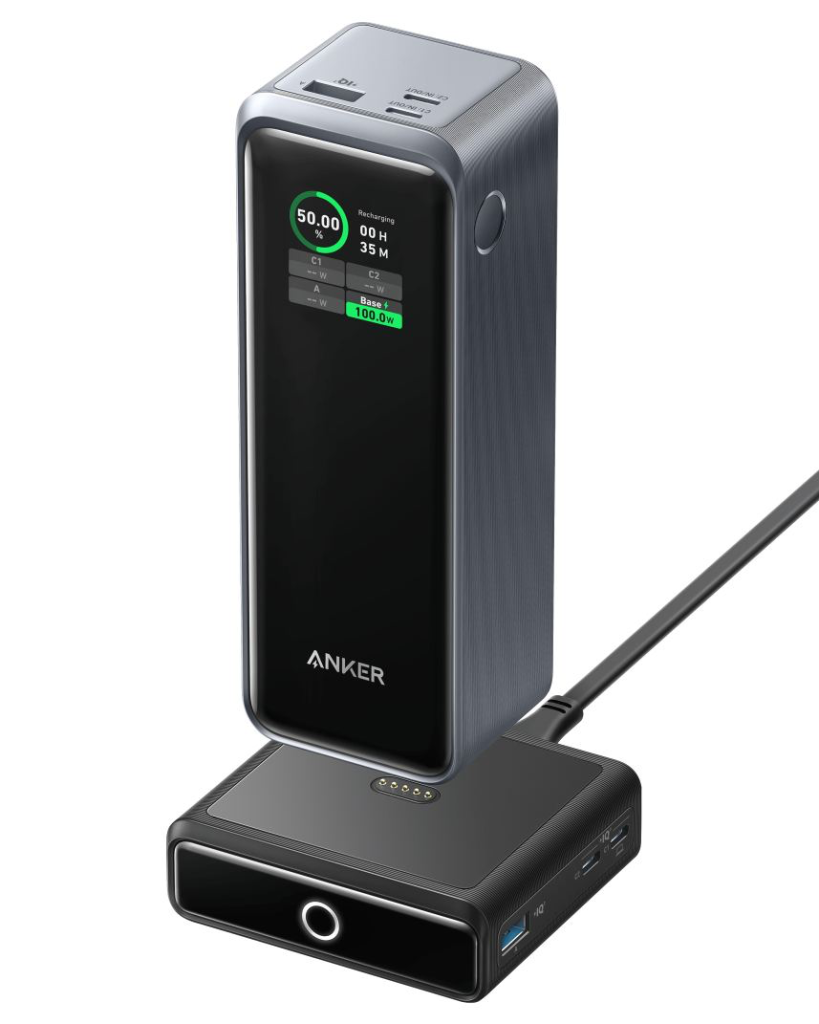
Twenty thousand milliamp hours sits comfortably under the 100Wh airline limit, so it flies in your carry-on without a conversation at security. What makes the Prime version worth the extra over a basic brick is the output: enough wattage to actually charge a laptop, plus multiple ports so you can revive a phone, a friend’s phone and a headset case simultaneously while sitting in your seat.
The little display showing remaining capacity in real numbers sounds like a gimmick until you are deciding whether to risk another two hours of match footage. Charge it overnight in the hotel, keep it in the bag, and the whole battery-death problem stops existing. Remember the rule: it must be in the cabin with you, never in checked luggage, which is moot here anyway.
$89 – $129
- EPICKA universal travel adapter — one plug for the whole trip
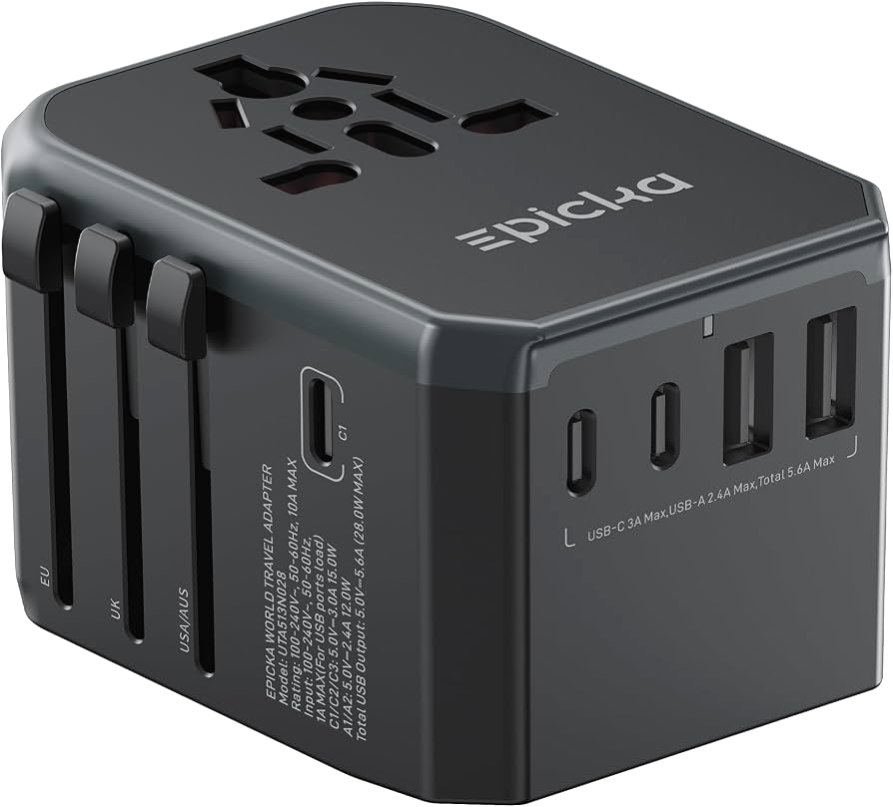
International tournament, unfamiliar sockets, and a hotel room with two outlets behind the bed. A universal adapter with built-in USB-C and USB-A ports collapses three problems into one small cube: it fits UK, EU, US and AU sockets, and it charges the power bank, phone and headphones at the same time from a single wall point.
Buy the version with genuine USB-C Power Delivery rather than the older USB-A-only models, otherwise you will be waiting all night for a laptop that never fills. The included pouch keeps the sliding pins from scratching everything else in your bag. It is an unglamorous purchase that quietly determines whether you wake up on day two fully charged or scrambling.
$25 – $40
- Soundcore Liberty 4 NC — earbuds for the walking-around hours
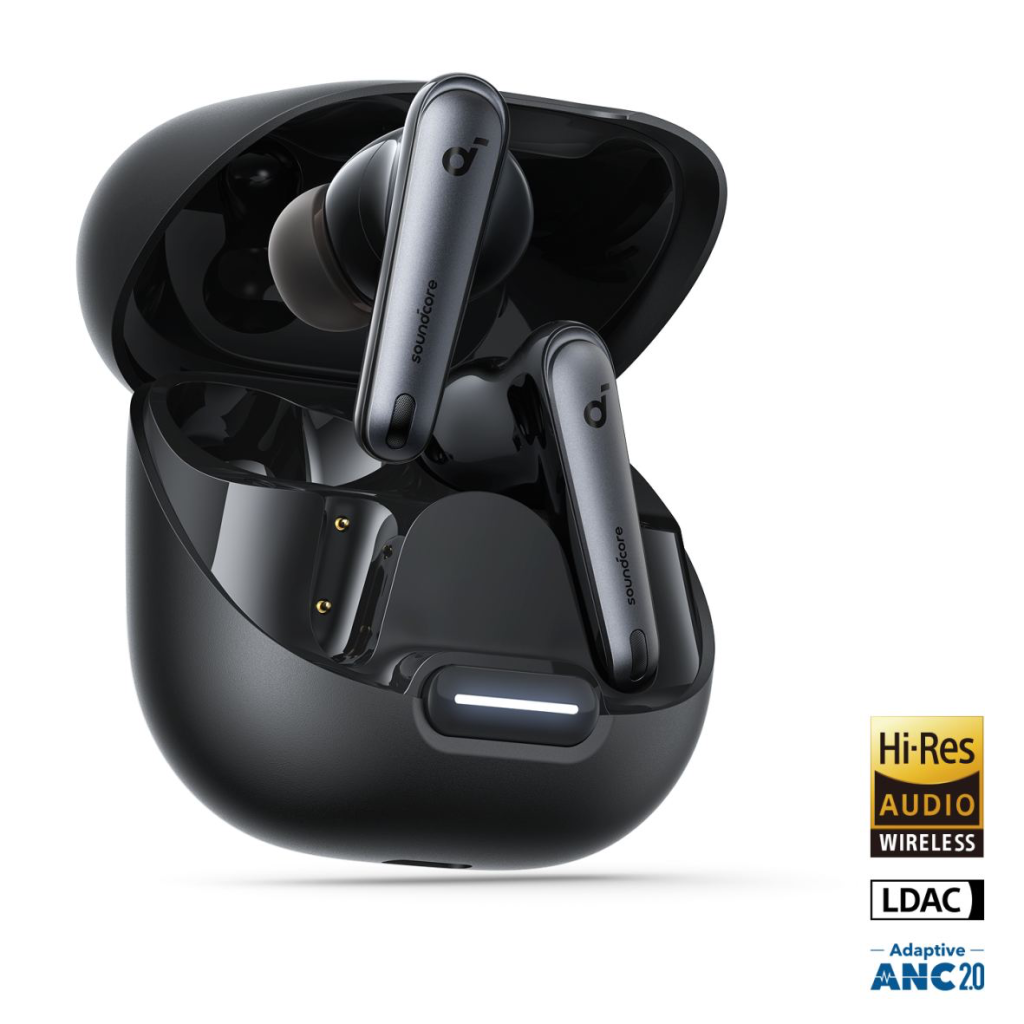
Over-ears are wrong for a packed concourse in summer. These earbuds give you around ten hours in the buds and roughly fifty with the case, which comfortably covers a full tournament day plus the trip back to the hotel. The noise cancellation is strong enough for a metro system and the transparency mode is clear enough that you can order food without pulling anything out of your ears.
What earns them a slot over pricier options is charging behaviour: USB-C, fast top-ups, and a case small enough to live in a jacket pocket rather than a bag you have to open in a crowd. Pair them with the power bank and you have a rotation that never leaves you silent. Check the fit with the different tips before you fly, not in the departure lounge.
$79 – $99
- Twelve South AirFly Pro — use your good headphones on the plane
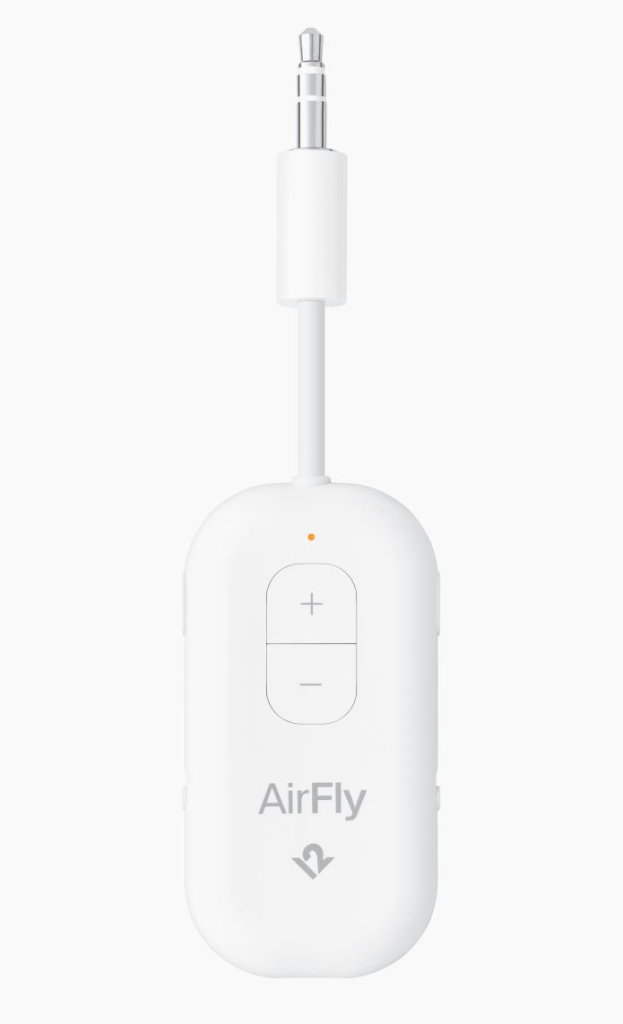
Airline entertainment systems still use a 3.5mm jack, and the supplied earbuds are an insult. AirFly Pro plugs into that jack and transmits to any Bluetooth headphones, so the XM5 or the Liberty 4 NC you already packed becomes your inflight audio. It handles two sets at once, which is how you and a travelling friend watch the same film across a nine-hour leg.
Battery life runs well past twenty hours, so a single charge covers a return trip. It also works in reverse as a receiver, which is oddly useful for hotel TVs and gym treadmills. Small, light, and one of those items you resent buying right up until the first time you use it at 35,000 feet.
$49 – $59
- Peak Design Tech Pouch — where all of it actually lives
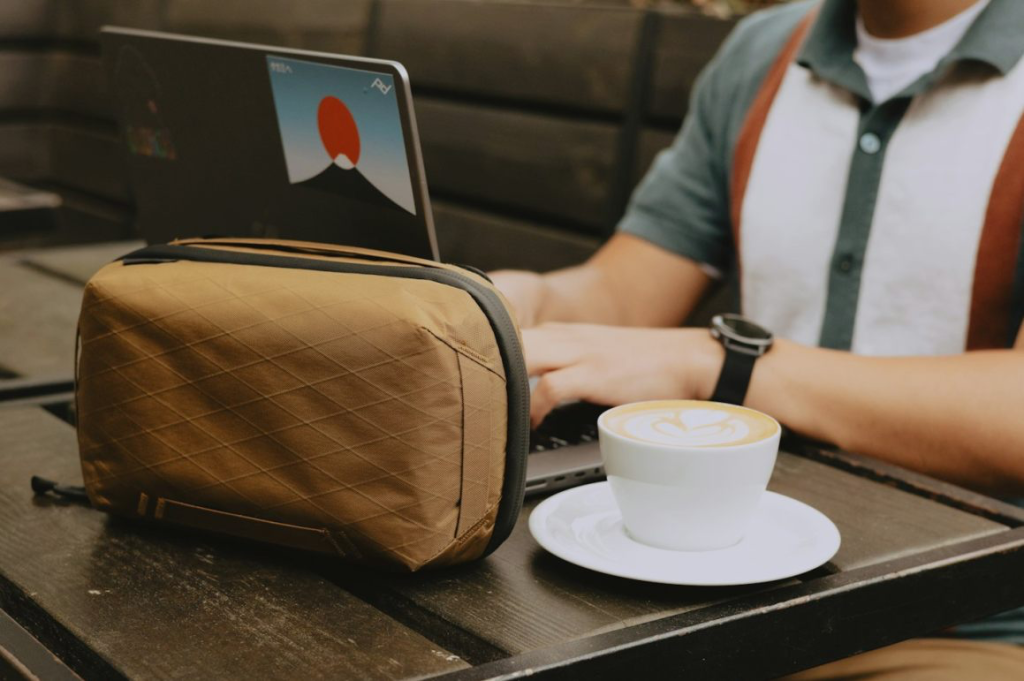
Nine items of audio and charging gear turns into a knot of cables by day two unless something contains it. The Tech Pouch uses origami-style internal shelves so cables, the adapter, spare tips, the dongle and the IEM case each get a slot you can see at a glance. Opening it in a stadium seat without dropping anything into the row below is a real, specific benefit.
It is more expensive than a zip bag, and if budget is tight any structured cable organiser will do most of the job. But this one survives being crushed into a carry-on for years, and finding your charger in fifteen seconds at a gate matters more than it sounds. Pack it, and the rest of this list stops being a pile and starts being a kit.
$59 – $79
How to pick your combination without overpacking
You do not need all nine. The trick is deciding whether you are a one-headphone traveller or a rotation traveller. If you want the smallest possible bag, take the XM5, the Loop plugs and the power bank, and accept that the headphones live around your neck all day. If you would rather have redundancy, run the cheaper over-ears for the flight and the earbuds for the arena, so one is always charging.
Then think about your specific airports and venue. Long-haul with a connection makes the noise cancellation worth real money. A short hop with a big outdoor festival site tilts the budget toward power and earplugs instead.
- Keep every battery in the cabin and stay under the 100Wh limit, which any 20,000mAh bank comfortably does.
- Standardise on USB-C so one cable and one adapter charge everything you own.
- Buy the earplugs regardless of budget; they protect your hearing and your energy levels equally.
- Always carry one wired option, because it is the only thing that cannot die at the worst moment.
Pack for the eighth hour, not the first
Spectating an esports event is an endurance activity dressed up as entertainment. The first two hours are easy. It is hour eight, in a loud room, on a dead phone, with ringing ears, that decides whether you remember the trip fondly. Every item here is aimed squarely at that stretch, which is why the list leans on quiet, comfort and charge rather than anything flashy.
If you are starting from nothing, the sequence is simple: Loop Experience 2 first, then the Anker Prime power bank, then whichever headphone matches your budget. Add the travel adapter because you have no choice abroad, and the pouch when you get tired of untangling cables in a stadium seat. That combination will get you through a full tournament weekend still enjoying it.